 Kart(avya) Vashishtha
 TLDR
Purdue Hackers worked on projects over the summer and fall, and their efforts were collated into a 308-page parody journal called SIGHORSE (the Special Interest Group in Horsing Around.)
Articles range from purely humor to making possibly novel contributions to the field of puzzle theory. Read it at https://sig.horse/book.pdf.
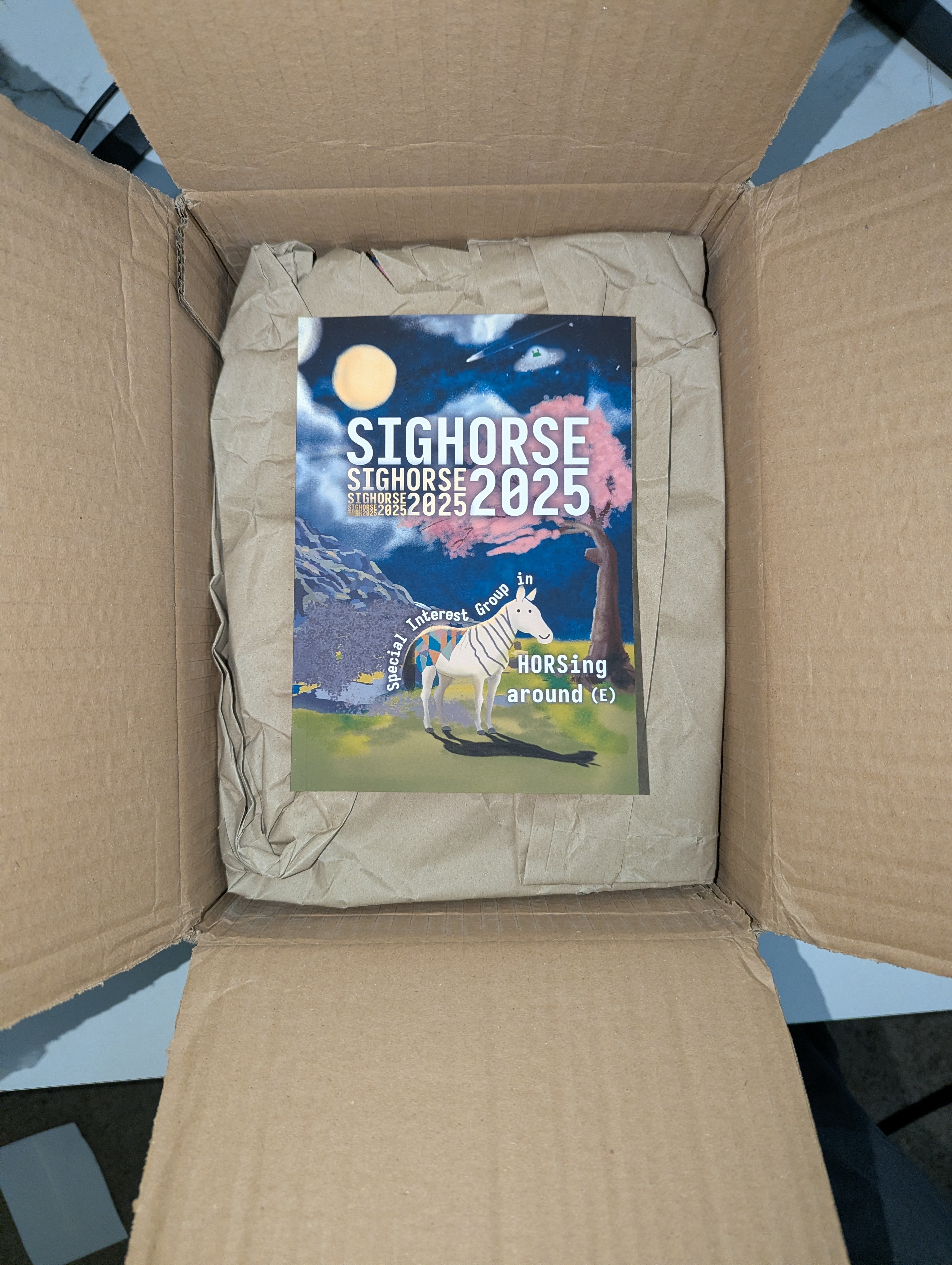
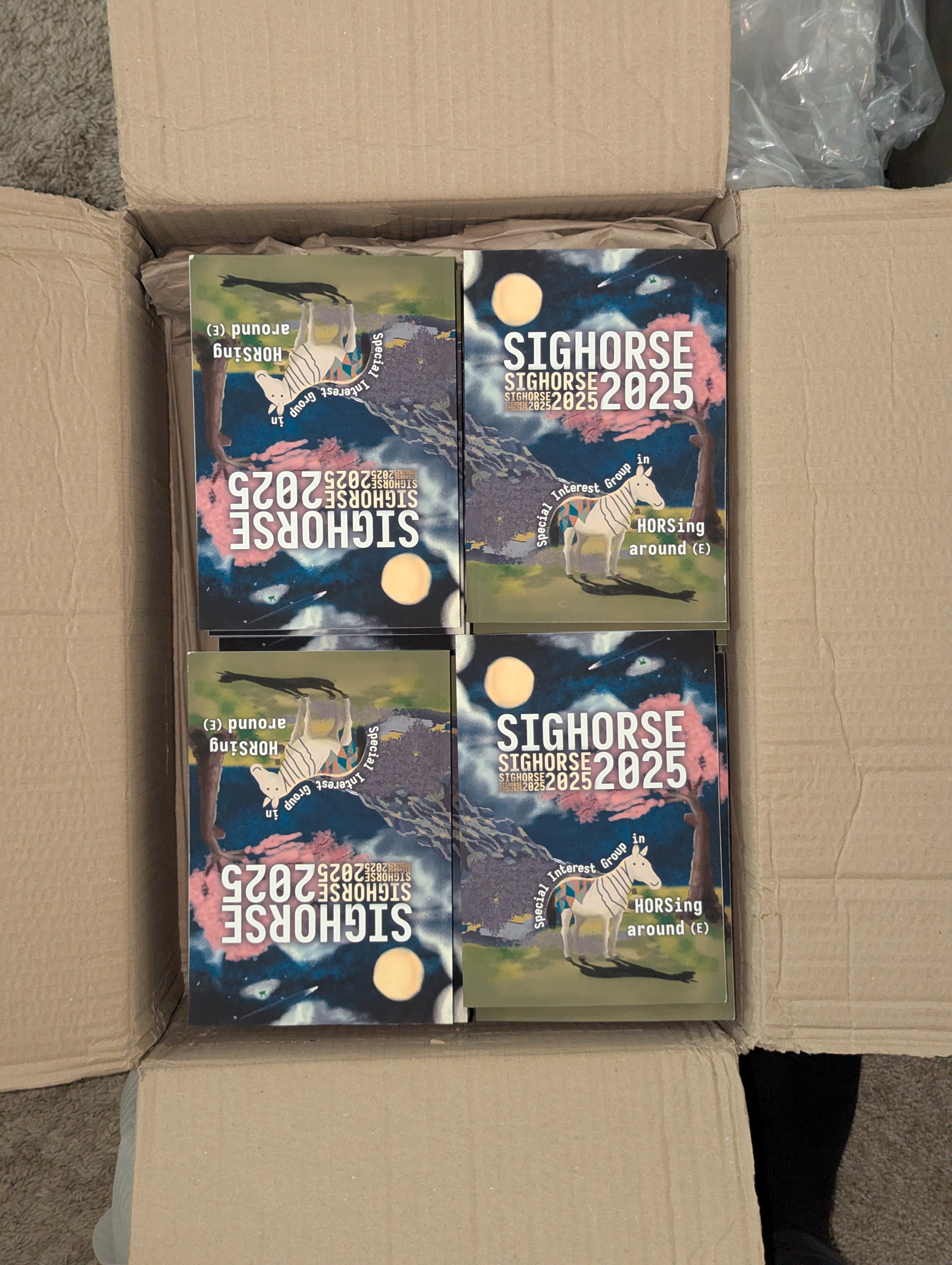
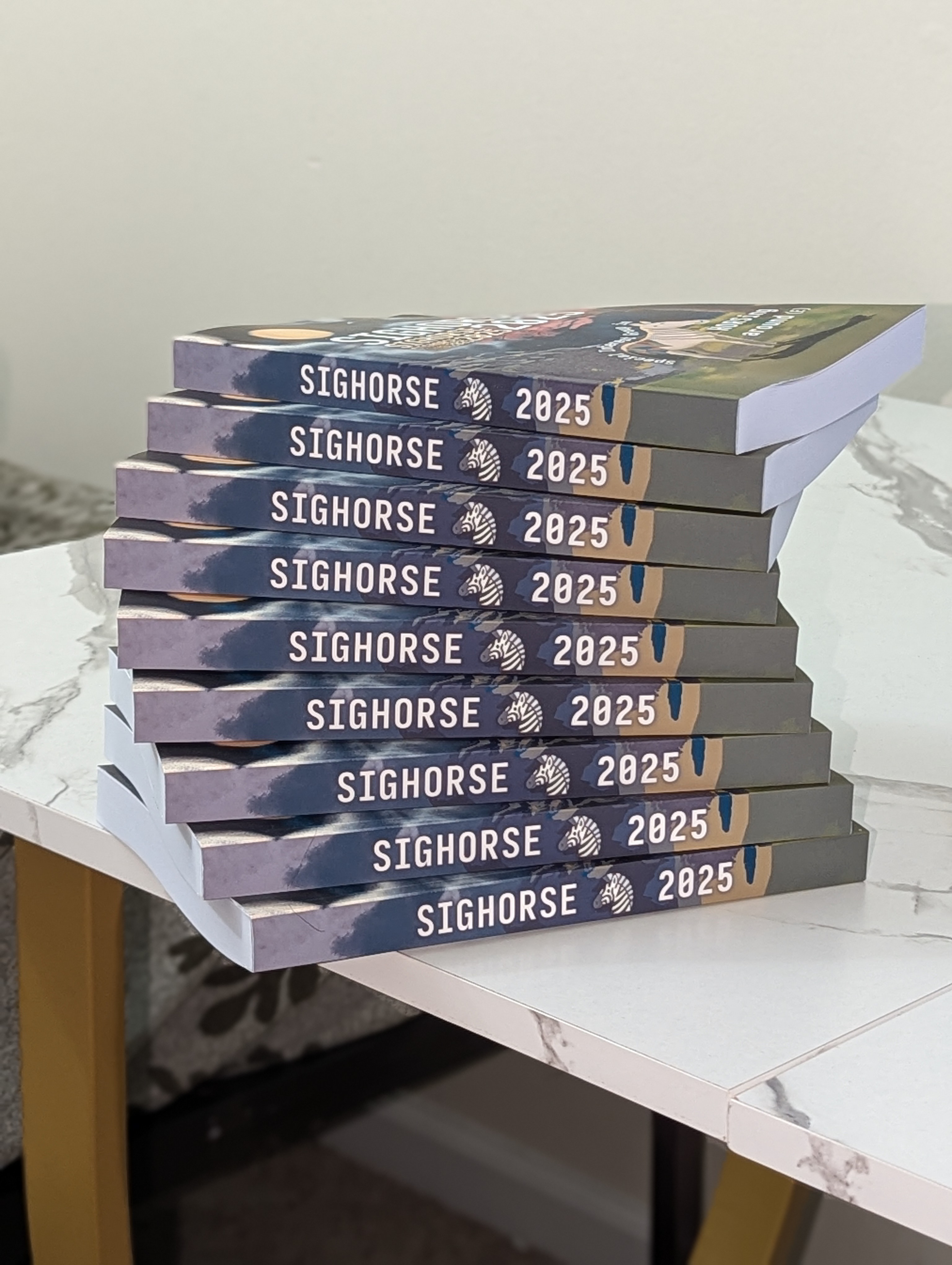
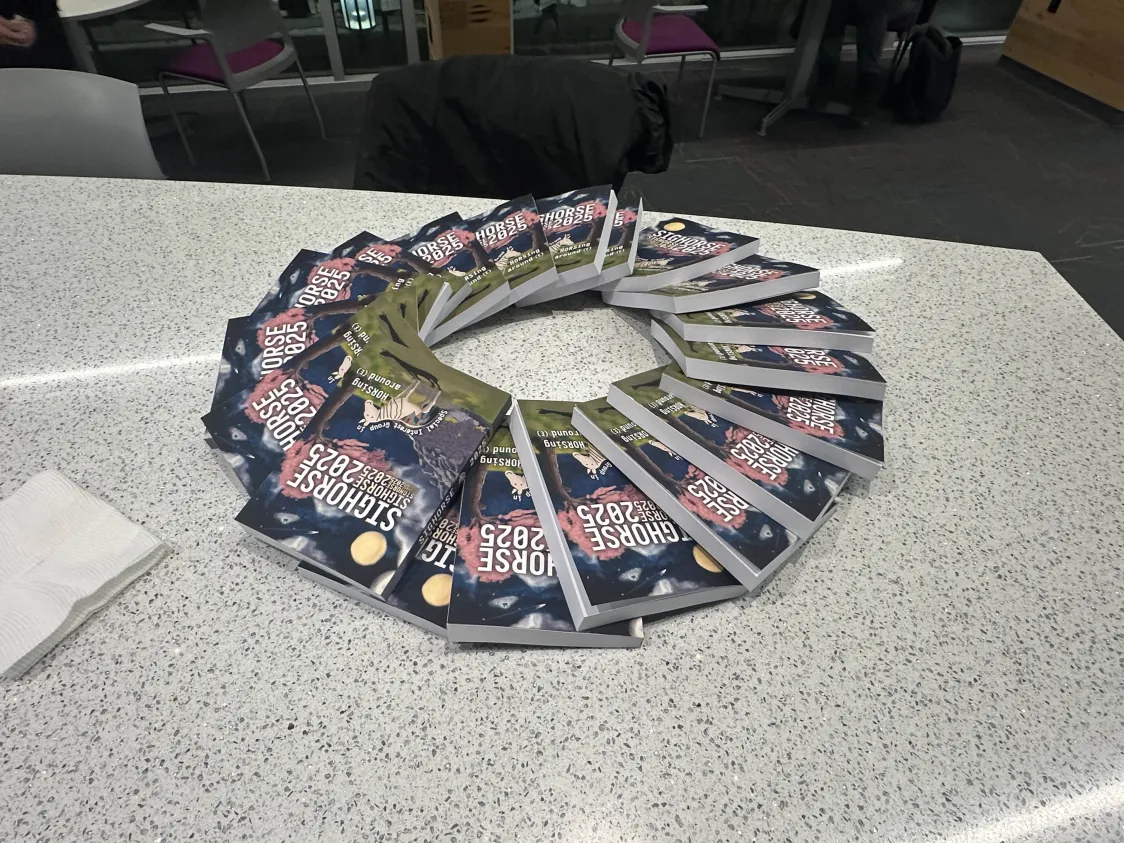
There was a limited print run; 63 print orders were received. Photos of the physical books are at the end of this post.
The foreword follows.
Foreword
Hi! I’m Kart. I came up with SIGHORSE, made the website, and (sometimes) reviewed submissions from authors. I was, of course, helped immeasurably by many people without whom SIGHORSE would not be possible.
I’d like to talk about SIGHORSE for a bit.
There are three parts to this foreword:
- Why the word “horse”? Why is it relevant? What does it mean to Purdue Hackers?
- Why work on this journal? What forces made us want to create SIGHORSE?
- Can we see the process of making the cover? Surely it wasn’t too much work.
Bringing forth a longing for horsing into the world
Purdue Hackers: a community of students who collaborate, learn, and build kick-ass technical projects.
— Purdue Hackers website, but I removed the emojis.
Since forever, horses have been intertwined with the Purdue Hackers brand.
Discord1 archaeology points to a particular person starting the conversation off in September 2022 with messages like:
- our mascot should be an 8-bit horse
Also the horse should be yellow- Here’s every horse: https://every.horse/
- Here’s a horse that’s shaking: https://shakingmy.horse/
The discussion significantly escalated on the next day, when the same person posted:
Today I forked my personal link shortener to use it for Purdue Hackers. Introducing
puhack.horse2 …
This person then served as the President of Purdue Hackers for three years, and led its rise from a 20 person meetup to a 80-100 person organization with sprawling projects, ideas, and coolness.
Is it any surprise that a club that emphasizes engaging in whimsy and creating things that bring joy would latch on to “horse”?
Putting the Special Interest Group in the Horse
We’ve established the importance of horses. Now, let’s explore how the Special Interest Group part came about.
BURSTing from creativity
In Fall 2024, Purdue Hackers hosted a showcase for a bunch of projects that members had created. They called it BURST. It was glorious. Seriously. Here’re some photos from BURST to show you just how glorious it was. I strongly encourage you to check out the website for more photos and information on the exhibits.
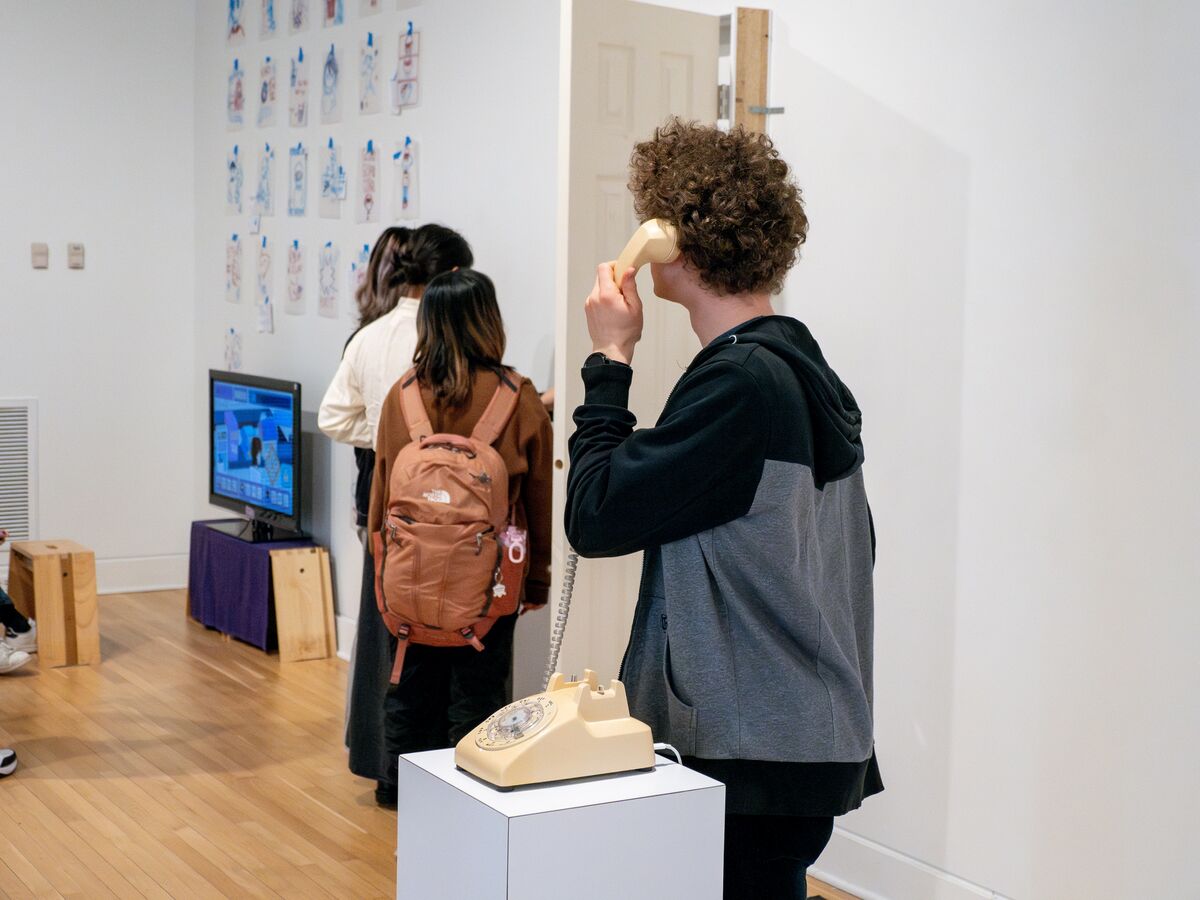
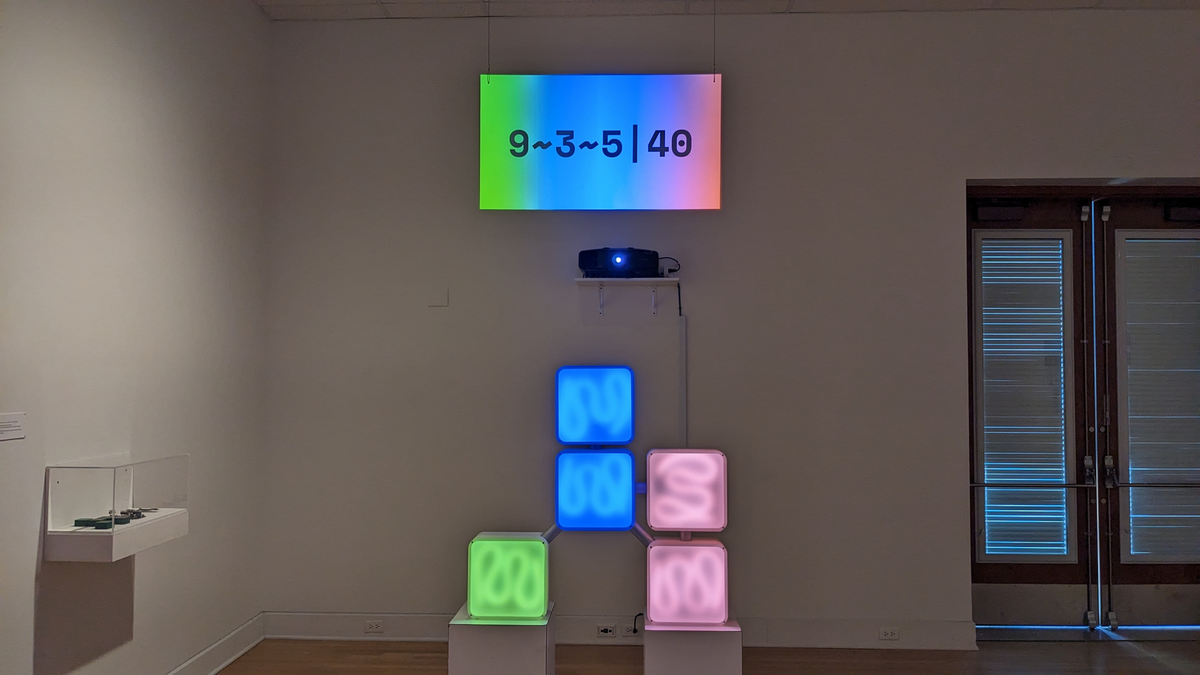
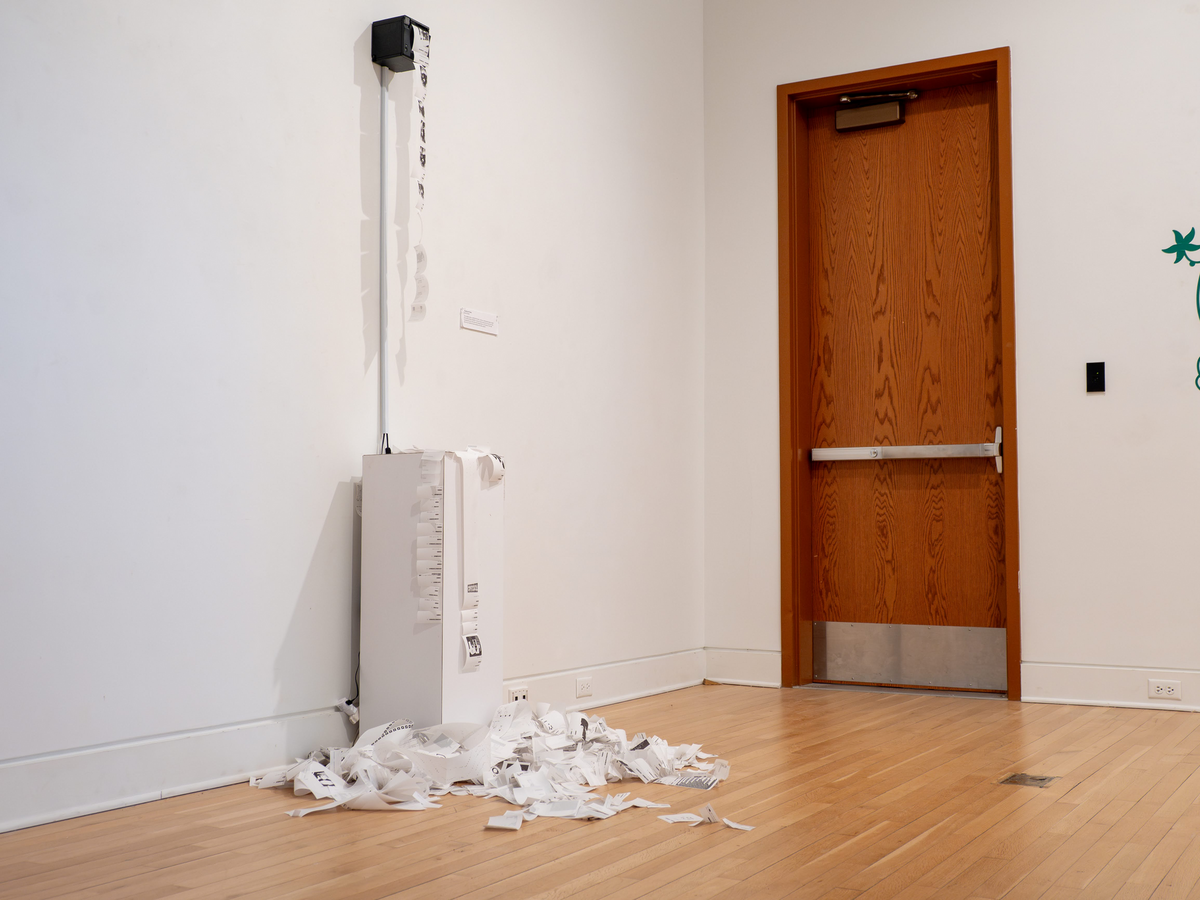
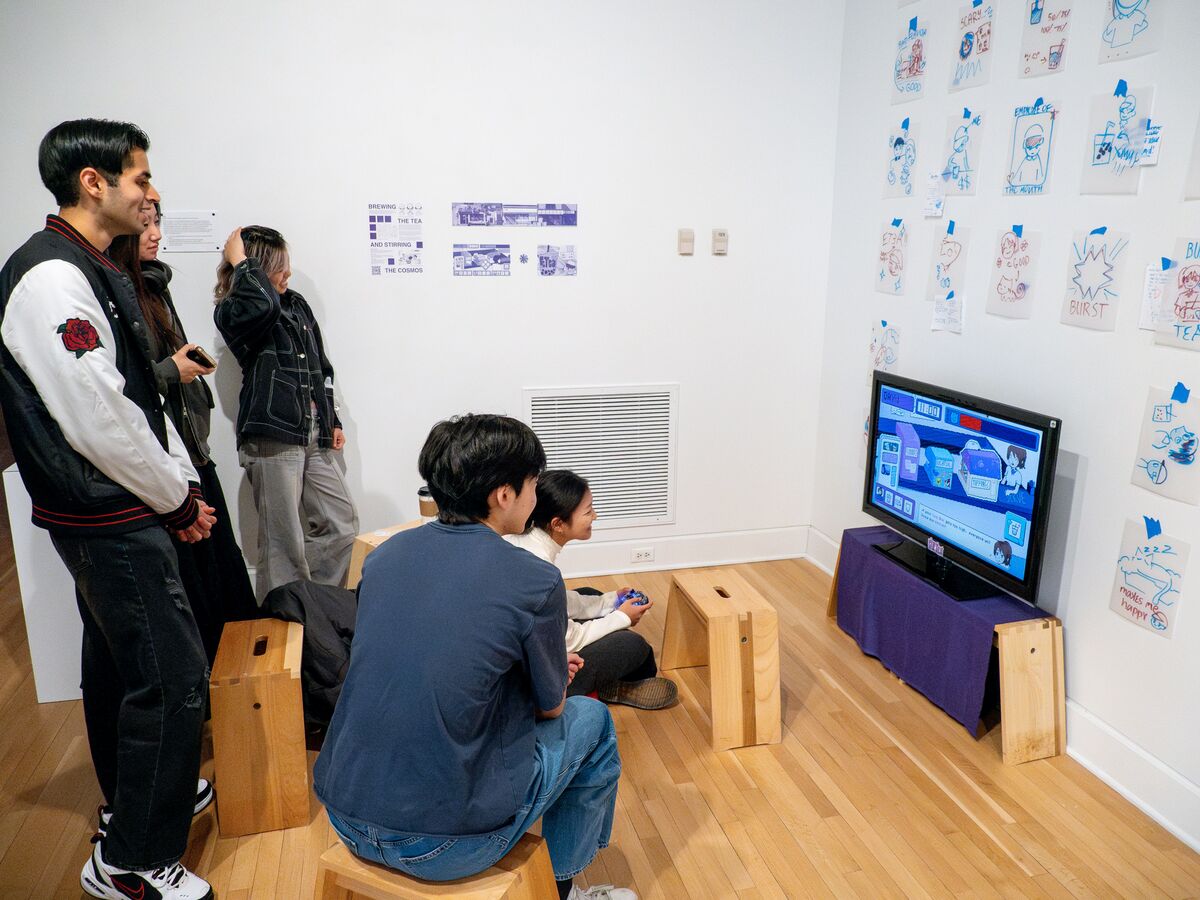
BURST included (among other things) (in clockwise order):
- a phone bell whose insides had been replaced with a Raspberry Pi;
- the Purdue Hackers logo as a meter tall sign;
- a receipt printer; and
- an indie video game about running a boba shop.
It was so glorious, in fact, that it challenged my imagination to think of it could even get more glorious. How could we ever top the projects that we’d showcased this year? How could we inspire more members of Hackers to make contributions to the next showcase we hosted?
How could I engage more members and spread the joy of creating and presenting?
Commit Overflow
For the past two years, Purdue Hackers has hosted the “Commit Overflow” event during Purdue University’s winter break.
Winter break is here; it’s the perfect time to make the things you didn’t have time to make this semester.
During the last 10 days of the year, we’re running Commit Overflow. The challenge: every day, commit to GitHub & post an update of what you’re working on in #checkpoints3
If you make it all 10 days, we’ll send you stickers and a custom laser-cut badge that will never be made or distributed again.
— The first Commit Overflow announcement in 2022
This event saw great participation from the community: people shipped commits and maintained a sense of connection over the break. I personally wrote a lot of documentation for keymashed, a project I’d showcased at BURST.
SIGBOVIK
Now to talk about something completely different: SIGBOVIK (Special Interest Group in Harry Quark Bovik) is a yearly joke journal organized primarily by grad students from Carnegie Mellon University with clearly too much time on their hands.
Their name plays on the Association for Computing Machinery’s many conferences that start with SIG: SIGPLAN (Special Interest Group on Programming Languages), SIGGRAPH (Special Interest Group on Graphics), SIGMICRO (Special Interest Group on Microarchitecture), etc.
The latest edition is just over 400 pages long. Papers published in this illustrious journal have had titles such as “An Empirically Verified Lower Bound for The Number Of Empty Pages Allowed In a SIGBOVIK Paper” or “A Genius Solution: Applications of the Sprague-Grundy Theorem to Korean Reality TV”.
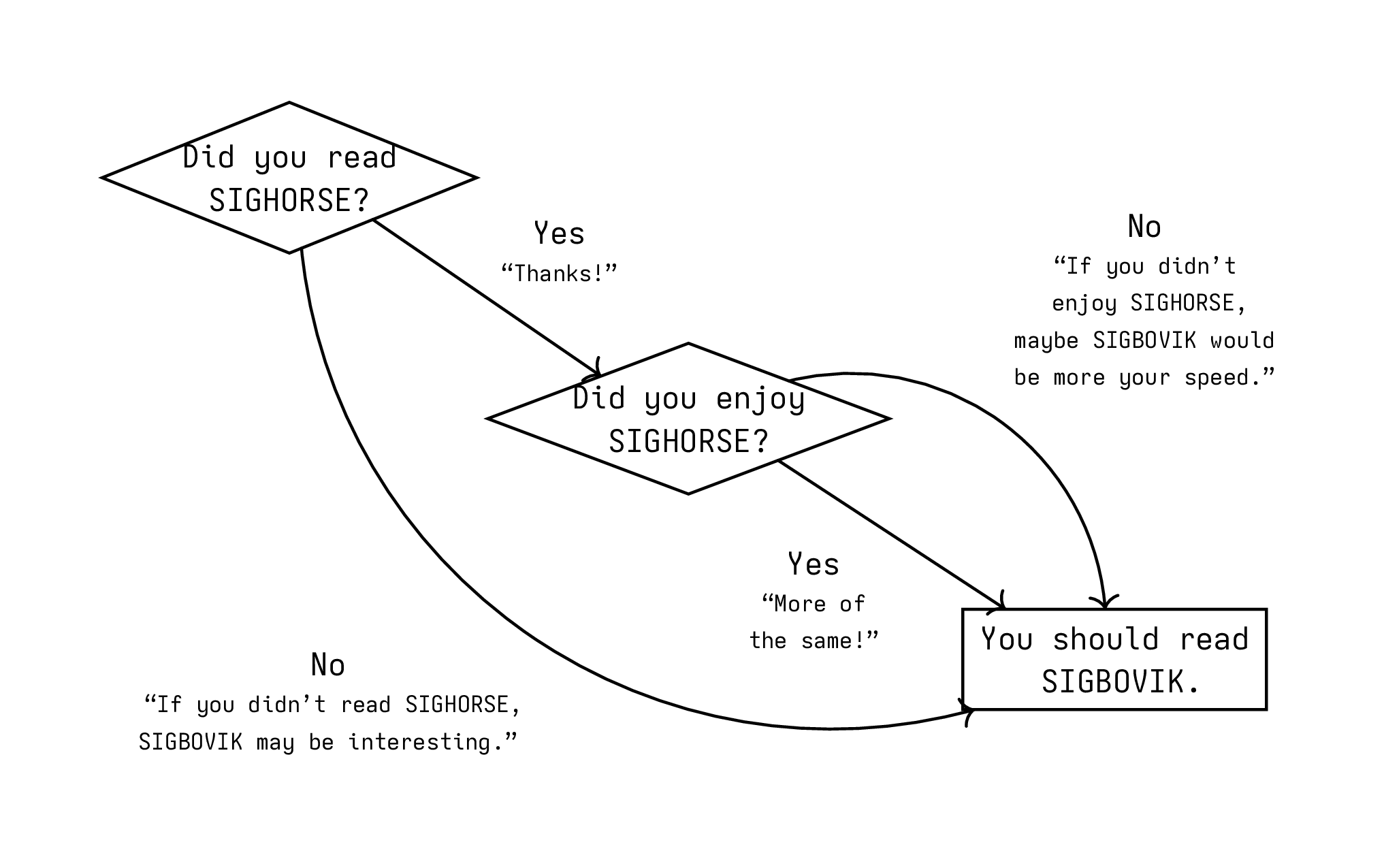
The decision tree below shows how SIGHORSE relates to SIGBOVIK:
Messily pushing the horsing out to the world
Defining SIGHORSE
Finally, we can unify the two topics we discussed in the previous sections: SIGHORSE was proposed as “what if we ran something like Commit Overflow but in the summer and with a focus on whimsy and silliness?” Our tenets would be:
- encourage people to build cool things over the summer!
- talk about said things!
- get those things to a presentable state so we could put them in the journal!
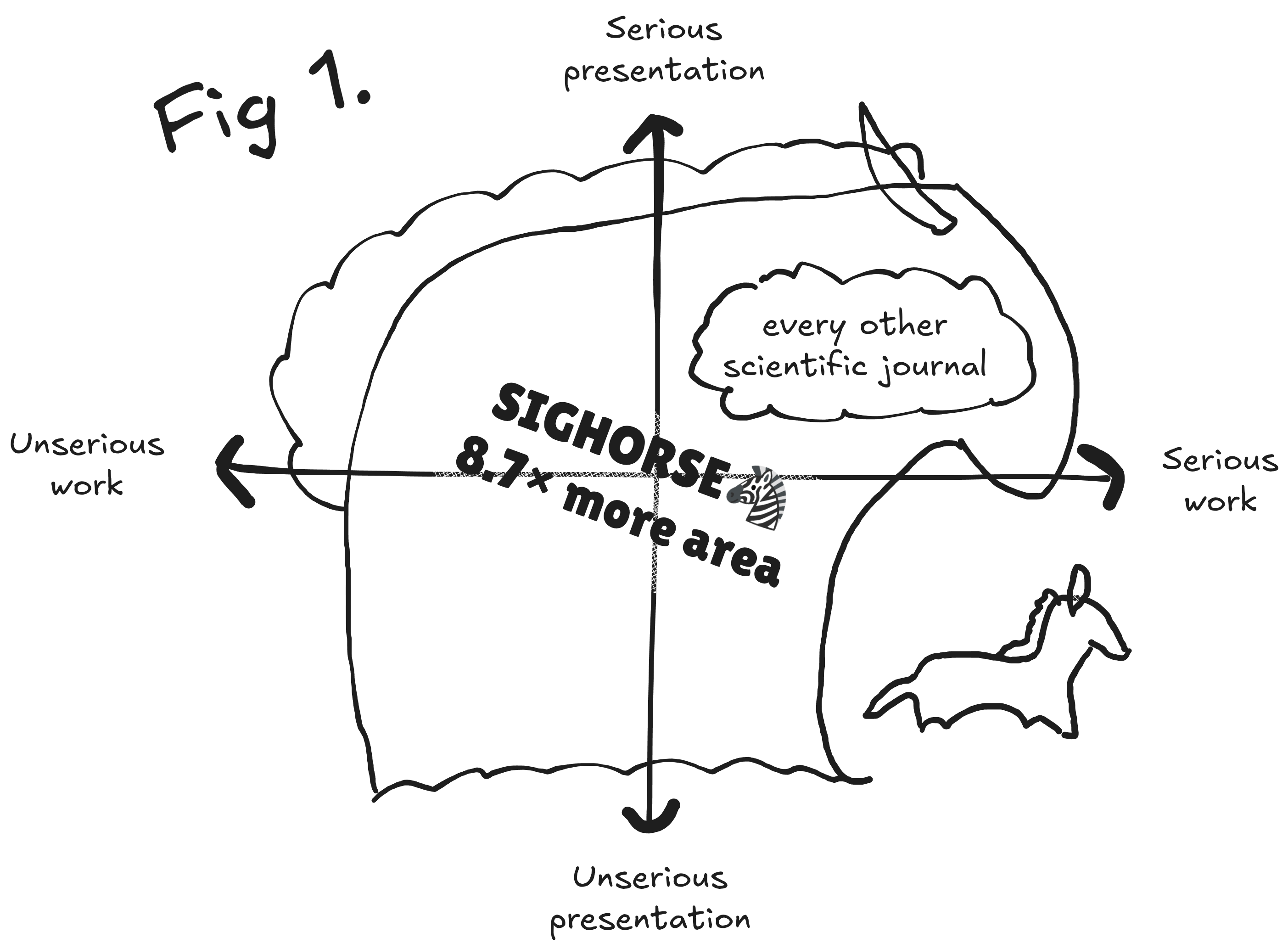
To give an idea of the things SIGHORSE would cover, I produced the following diagram:
Simply put, SIGHORSE was to be inclusive.
(Before you ask, someone did measure the size of the horses and found it to be around 8.7× larger than the “every other scientific journal” cloud.)
Enough about SIGHORSE, what about the cover?
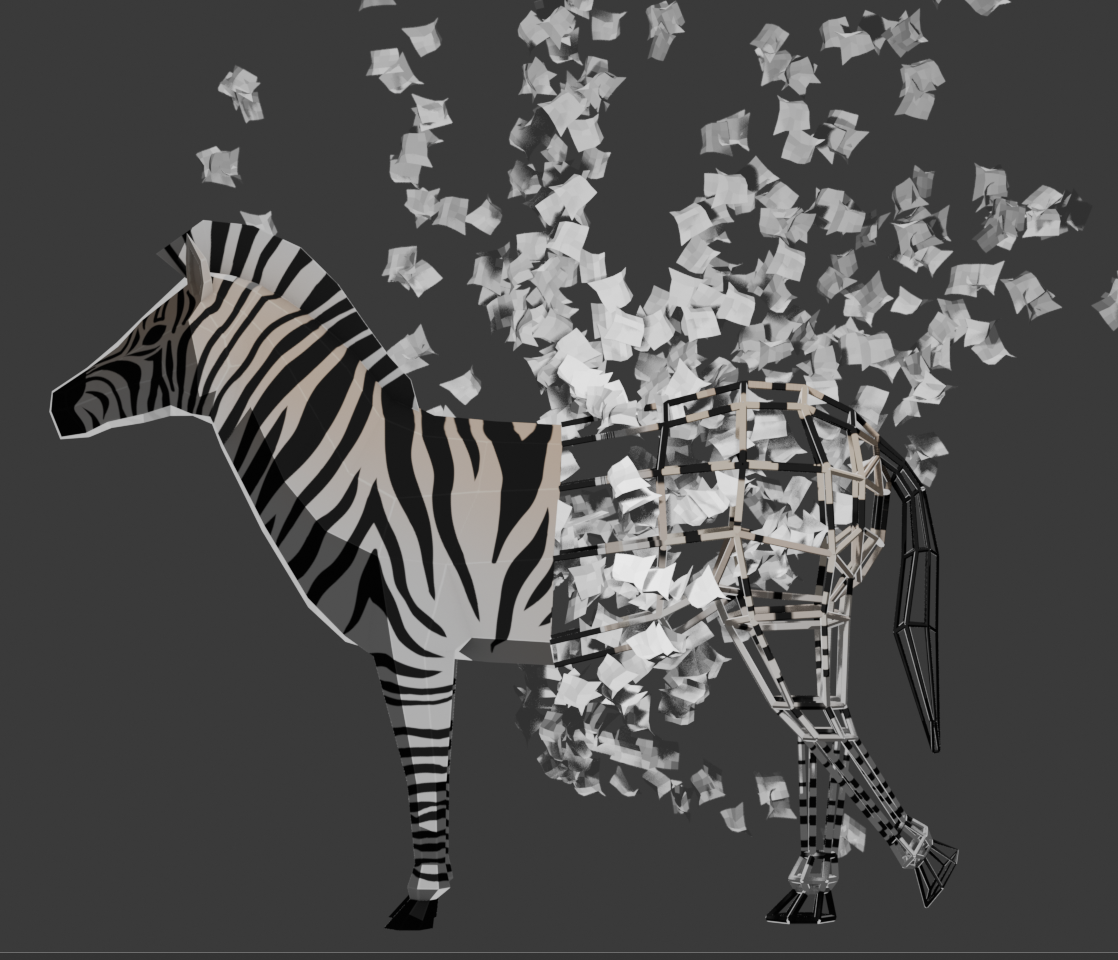
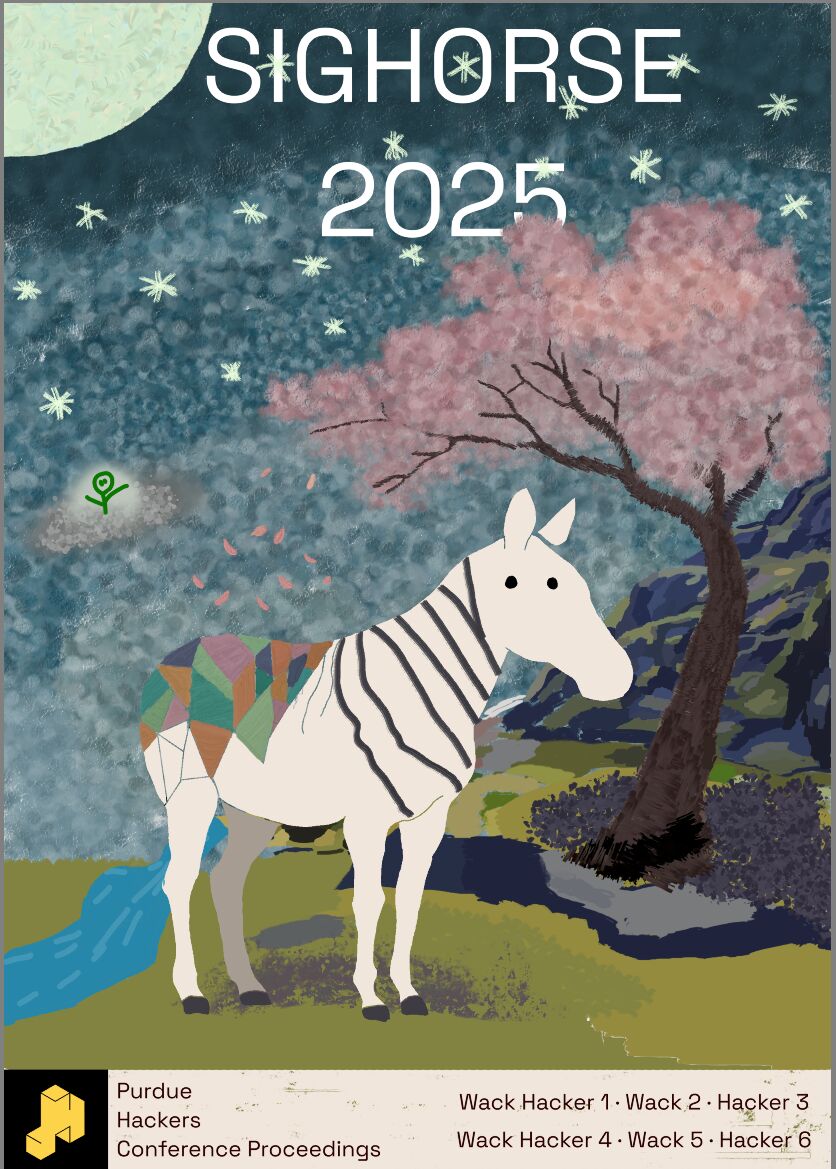
I’m so glad you asked about the cover! I first learned Blender, then Krita, then Inkscape, and then finally handed it off to an artist to finish because I sure couldn’t.
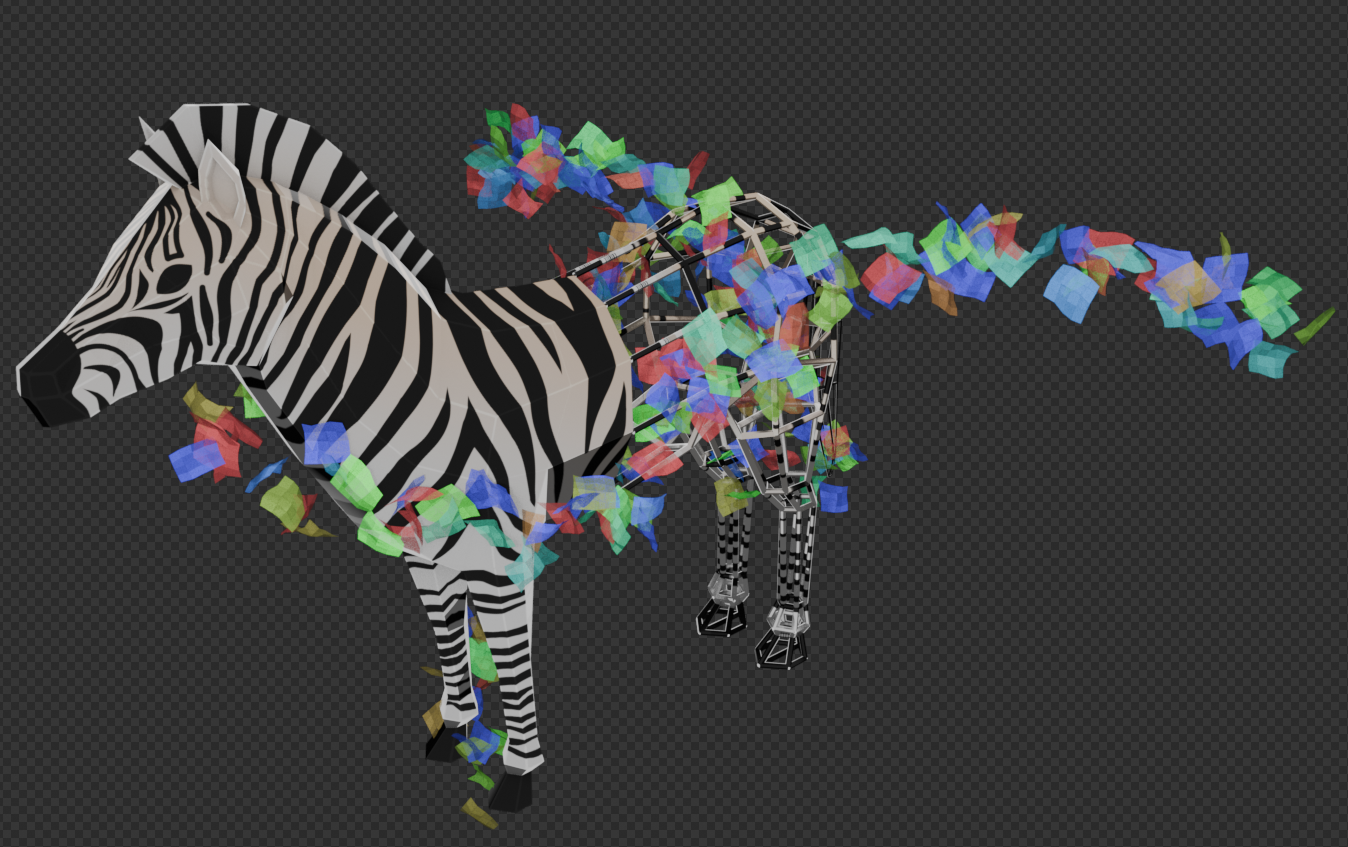
As the show curtains descend on the horse
SIGHORSE has been a blast. I hope you’ll enjoy reading the submissions as much as the authors enjoyed creating them.
Read the rest of SIGHORSE on https://sig.horse/
Print photos!
Footnotes
- Discord is an online group messaging platform used by Purdue Hackers. It is a centerpiece of the community, and many important discussions happen there.
- The link shortener is now hosted on https://dash.puhack.horse/.
- #checkpoints is a “channel” in Discord; a channel is a discrete subdivision within a server which members send messages to. #checkpoints, in particular, is a channel where people can showcase their in-progress creations.